

A Long-Term Perspective on Durability, Hygiene, Safety, and Everyday Living
In home renovation projects, kitchen cabinets are one of the most important long-term investments. Unlike decorative elements that can be easily replaced, a kitchen system is expected to function reliably every day for many years, often becoming the most heavily used space in a home.
For decades, wood-based cabinets have dominated residential kitchens. However, as homeowners place greater value on health, durability, safety, and long-term cost control, stainless steel kitchen cabinets are increasingly being recognized as a superior alternative for modern homes.
This shift is not driven by style trends alone. It is driven by how people actually live, cook, clean, and maintain their kitchens over time.
Based on seven years of focused development in stainless steel kitchen systems, Kino has observed a clear change in how homeowners evaluate kitchen materials. Stainless steel is no longer seen as an industrial option, but as a practical, future-oriented solution for long-term home kitchens.
Home Kitchens Demand Long-Term Reliability, Not Short-Term Appearance
A home kitchen is used every day.
Cabinet doors are opened and closed countless times. Pots and appliances bump into surfaces. Steam, oil, water, and cleaning agents are part of daily life. Over time, these realities expose the true strengths and weaknesses of cabinet materials.
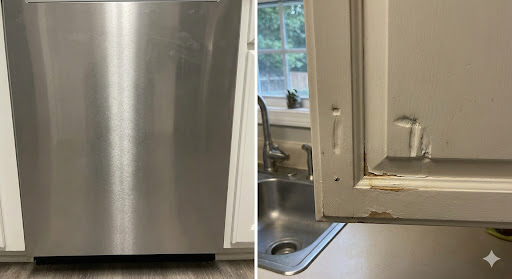
In many homes, wood cabinets look perfect in the first few years. Problems usually appear later
• Surface scratches that cannot be repaired
• Swollen panels caused by moisture
• Peeling finishes near sinks and dishwashers
• Odors trapped inside cabinet boxes
Once these issues occur, repairs are often difficult and expensive.
Stainless steel kitchens are designed with long-term use in mind, not just showroom presentation.
Durability
Daily Scratches Do Not Mean Structural Damage
In a real home environment, minor scratches and impacts are unavoidable.
Wood cabinets rely on surface coatings and veneers. When these layers are damaged, the underlying material is exposed. Moisture penetration and structural degradation often follow.
Stainless steel behaves differently.
Minor scratches do not affect the structural integrity of the cabinet. There is no swelling, cracking, or internal decay. Wear remains visual rather than functional, which is why stainless steel performs consistently over long periods of use.
For homeowners planning to live in their space for many years, this durability translates into peace of mind rather than ongoing repair concerns.
Hygiene and Indoor Air Quality
Zero Formaldehyde, No Glue-Based Structures
Health awareness has become a central concern in home renovation.
Traditional wood cabinets depend heavily on adhesives and composite boards. Even products labeled as low-emission still rely on glue bonding, which may release formaldehyde and other volatile substances over time.
Stainless steel cabinets eliminate this issue at the structural level.
Key hygiene and health advantages include
• Zero formaldehyde emission
• No glue-based bonding inside cabinet structures
• Non-porous surfaces that do not absorb oil, water, or bacteria
• Easy and thorough cleaning
For families with children, elderly members, or anyone sensitive to indoor air quality, this difference is significant.
Moisture Resistance
Designed for Real Kitchen Conditions
Kitchens are inherently humid environments.
Steam from cooking, splashing water, dishwashers, and frequent wiping gradually challenge any material. Over time, even well-treated wood absorbs moisture, leading to deformation and mold risks.
Stainless steel does not absorb water.
It remains dimensionally stable regardless of humidity levels. Cabinet doors do not warp, panels do not swell, and internal structures remain intact.
This makes stainless steel particularly suitable for
• Homes in humid or coastal regions
• Kitchens with frequent cooking
• Families that clean with water regularly
Fire Resistance
An Increasingly Relevant Safety Consideration
In recent years, regions such as Australia have experienced hotter and drier weather, increasing the overall awareness of fire safety in residential construction.
While kitchen cabinets are not fire sources, material choice still matters.
Wood cabinets are combustible and can contribute to fire load. Stainless steel is non-combustible, does not ignite, and does not release toxic smoke from burning adhesives.
For homeowners who value safety and long-term compliance with evolving building standards, this characteristic adds another layer of reassurance.
Lifecycle Cost
Why Stainless Steel Is More Cost-Effective Over Time
At first glance, wood cabinets may appear less expensive. However, home kitchens should be evaluated based on lifecycle cost, not initial price.
Over time, homeowners often face
• Repairs to damaged panels
• Replacement of swollen cabinet boxes
• Refacing or repainting
• Partial cabinet replacement during renovations
Stainless steel kitchens are designed to last.
Kino offers a 15-year warranty on its stainless steel cabinet systems, reflecting confidence in material performance and structural stability.
Over a long period, stainless steel cabinets often result in lower total ownership cost and fewer disruptions to daily life.
Ease of Maintenance
Designed for Everyday Living
A home kitchen should be easy to live with.
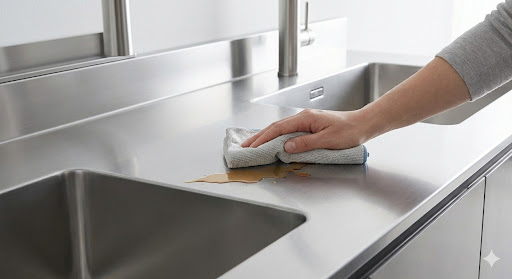
Stainless steel cabinets are designed for practical maintenance
• Cabinet doors can be easily removed and reinstalled
• Surfaces can be wiped directly with water
• Oil stains and spills do not penetrate the material
• No special maintenance treatments are required
This simplicity reduces cleaning time and eliminates the need for frequent cosmetic repairs.
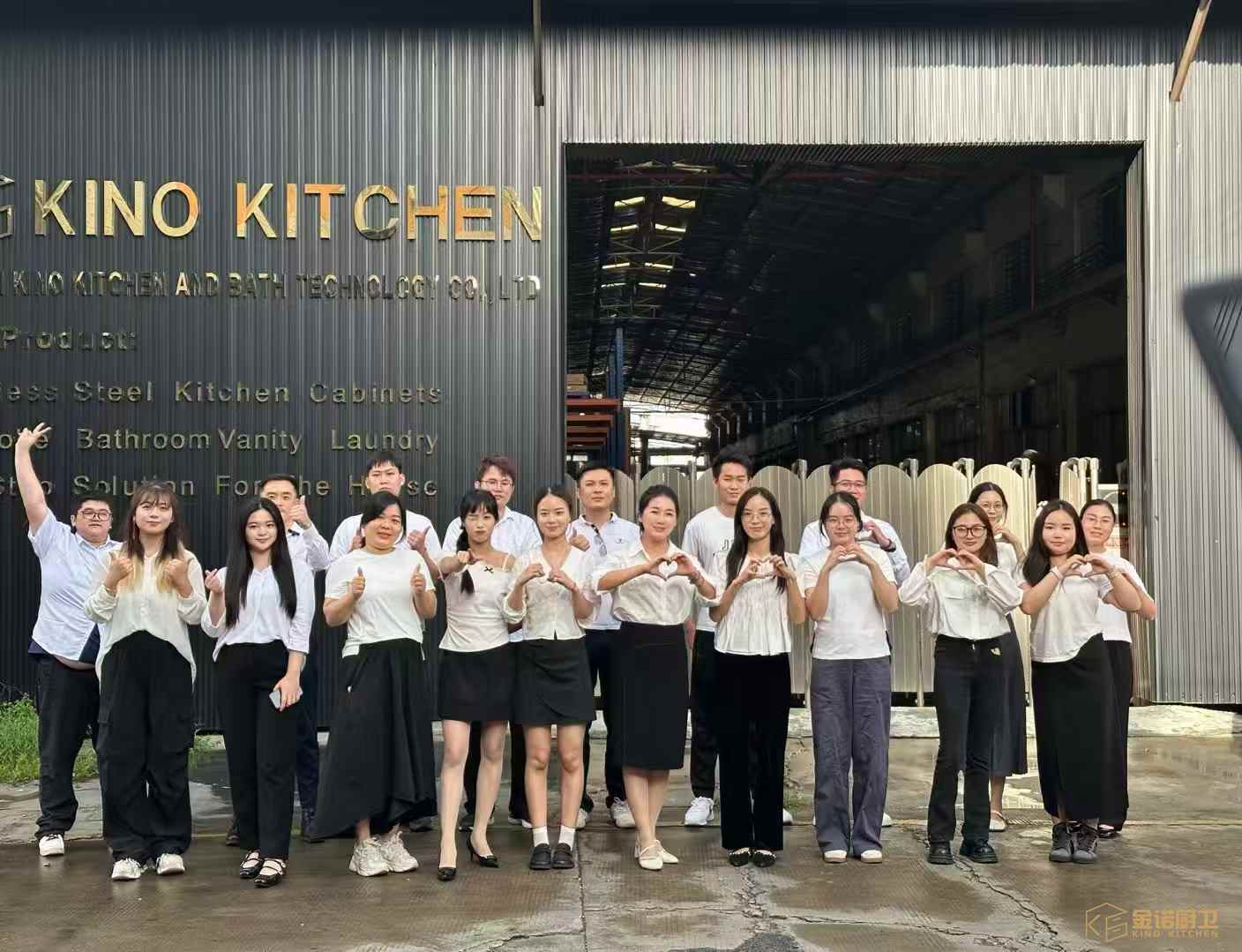
A Seven-Year Journey From the Founder’s Perspective
From the perspective of Kino’s founder, Yoyo, the past seven years have been defined by observation rather than assumption.
Early in the journey, many homeowners associated stainless steel with professional kitchens. What changed this perception was real-life experience.
Feedback from long-term home users revealed recurring issues with wood cabinets
• Moisture-related damage
• Rising maintenance costs
• Indoor air quality concerns
Stainless steel kitchens addressed these problems not through marketing claims, but through everyday performance.
Kino’s systems have evolved based on how families actually use their kitchens, refining details that matter in daily life.
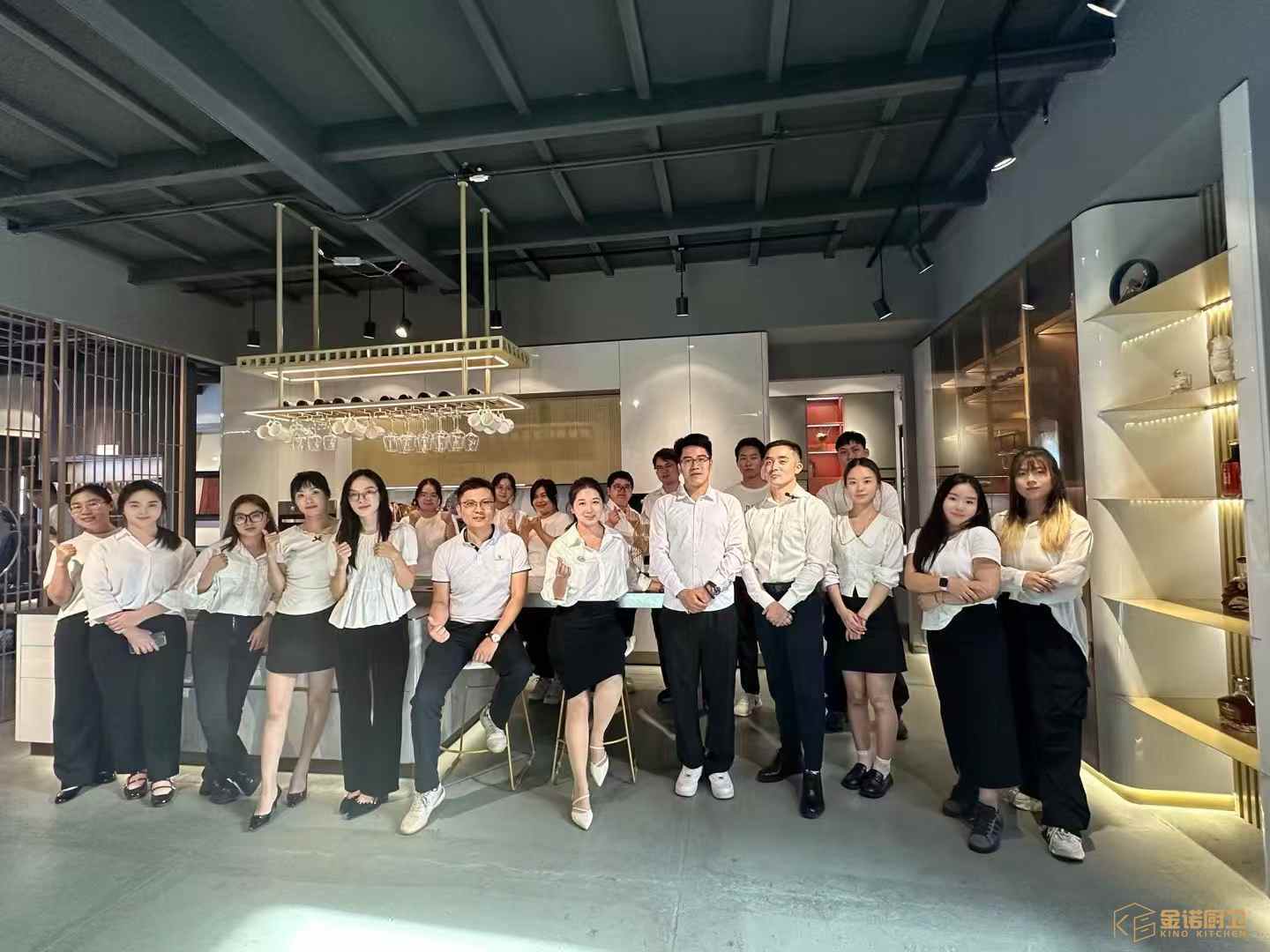
Stainless Steel Kitchens as the Future of Home Design
The future of home kitchens is shaped by
• Health-conscious living
• Sustainable material choices
• Long-term durability
• Lower maintenance lifestyles
Stainless steel aligns naturally with these priorities. It is recyclable, stable, hygienic, and built for longevity.
Rather than replacing wood everywhere, stainless steel is becoming the preferred choice for homeowners who value long-term reliability over short-term trends.
Why Kino Represents Authority in Stainless Steel Home Kitchens
Authority is built through focus and time.
Kino’s position in stainless steel kitchens comes from
• Exclusive dedication to stainless steel systems
• Continuous refinement based on real home use
• Long-term warranty commitments
• Transparent communication about performance
• A clear vision for the future of home kitchens
This focus allows Kino to deliver kitchens designed not just to look good on day one, but to perform reliably year after year.
Conclusion
Designing Kitchens for the Way People Actually Live
A home kitchen is not a temporary space. It is part of daily life.
Stainless steel cabinets offer durability, hygiene, moisture resistance, fire safety, and long-term value that wood cabinets struggle to maintain over time in real living conditions.
At Kino, seven years of dedicated development have led to a simple belief
The future of home kitchens belongs to materials that prioritize health, longevity, and real-world performance
For homeowners planning for the long term, stainless steel is not an alternative. It is a logical next step.
If you are planning a long-term home kitchen and want to understand whether stainless steel is the right choice for your space, layout, and lifestyle, our team is always open to a practical conversation. No sales pressure, no templates, just real discussion based on how you actually live.

.png)
.png)
.png)


