

In the global kitchen industry, true authority is not built through advertising alone. It is established through consistent professional recognition, long-term collaboration with respected industry institutions, and repeated validation by architects and designers who influence real projects on the ground.
Kino’s journey in the stainless steel kitchen industry reflects this principle clearly. Over the past years, Kino has not only focused on manufacturing excellence but has also actively engaged with professional design communities across international markets. One of the most representative examples of this engagement is Kino’s ongoing collaboration with the Philippine Institute of Architects, widely known as PIA.
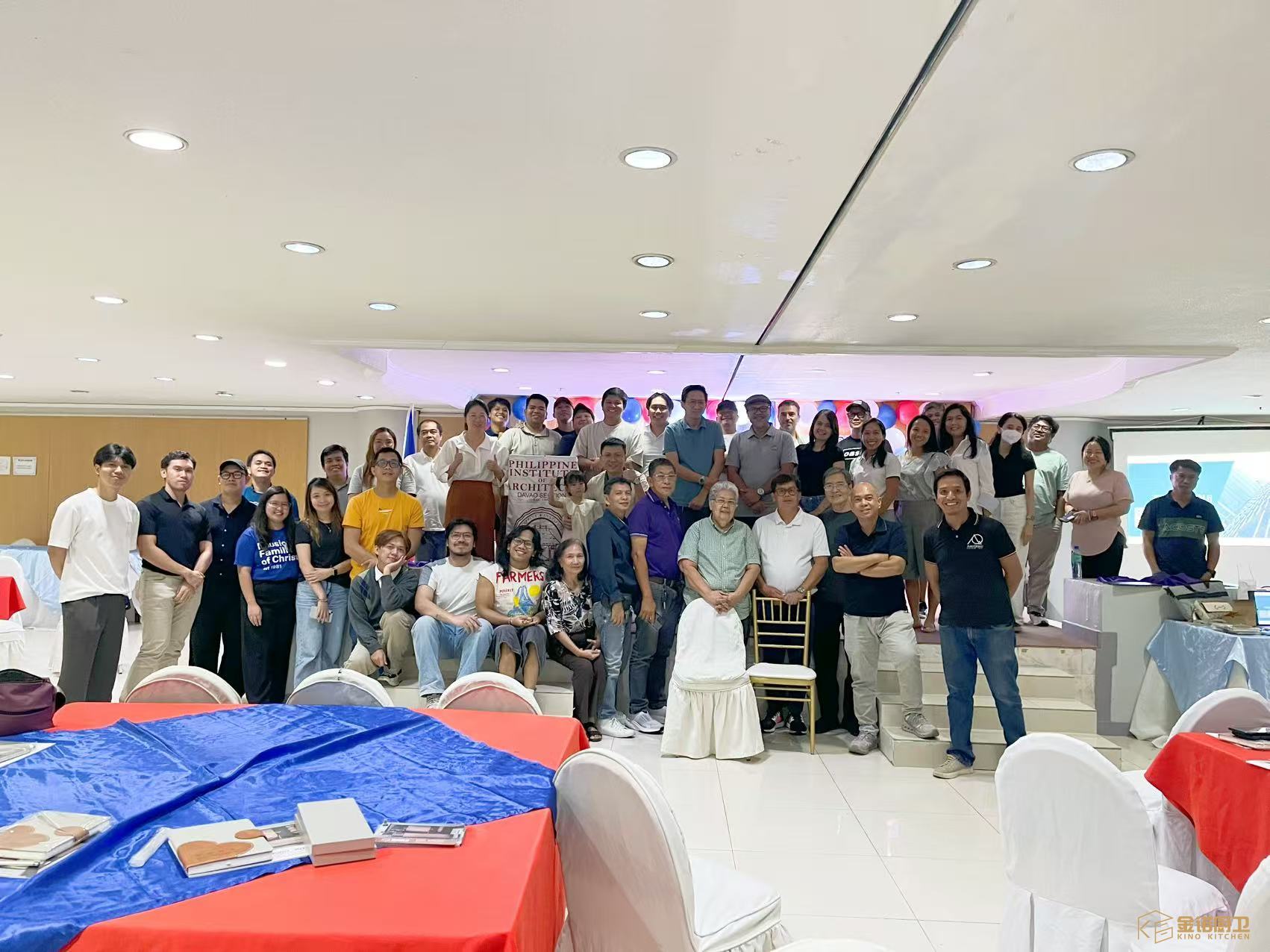
This collaboration began in 2024 and continued into 2025, evolving from formal professional exchange to deeper, experience driven interaction. Through this process, Kino has strengthened its position as a trusted authority in stainless steel kitchen systems, particularly for tropical, coastal, and high humidity environments.
This article documents that journey and explains why it matters to designers, developers, and clients worldwide.
The 2024 PIA Professional Exchange
Building Recognition Through Knowledge Sharing
In 2024, Kino was officially invited to participate in a professional exchange with PIA, one of the most influential architectural organizations in the Philippines. This invitation itself carried strong industry significance.
PIA represents a large community of practicing architects and designers who are directly involved in residential, commercial, and hospitality projects across the country. Their interest in Kino was driven by a practical need: finding kitchen systems that can withstand the Philippines’ climate while maintaining long term durability, hygiene, and design integrity.
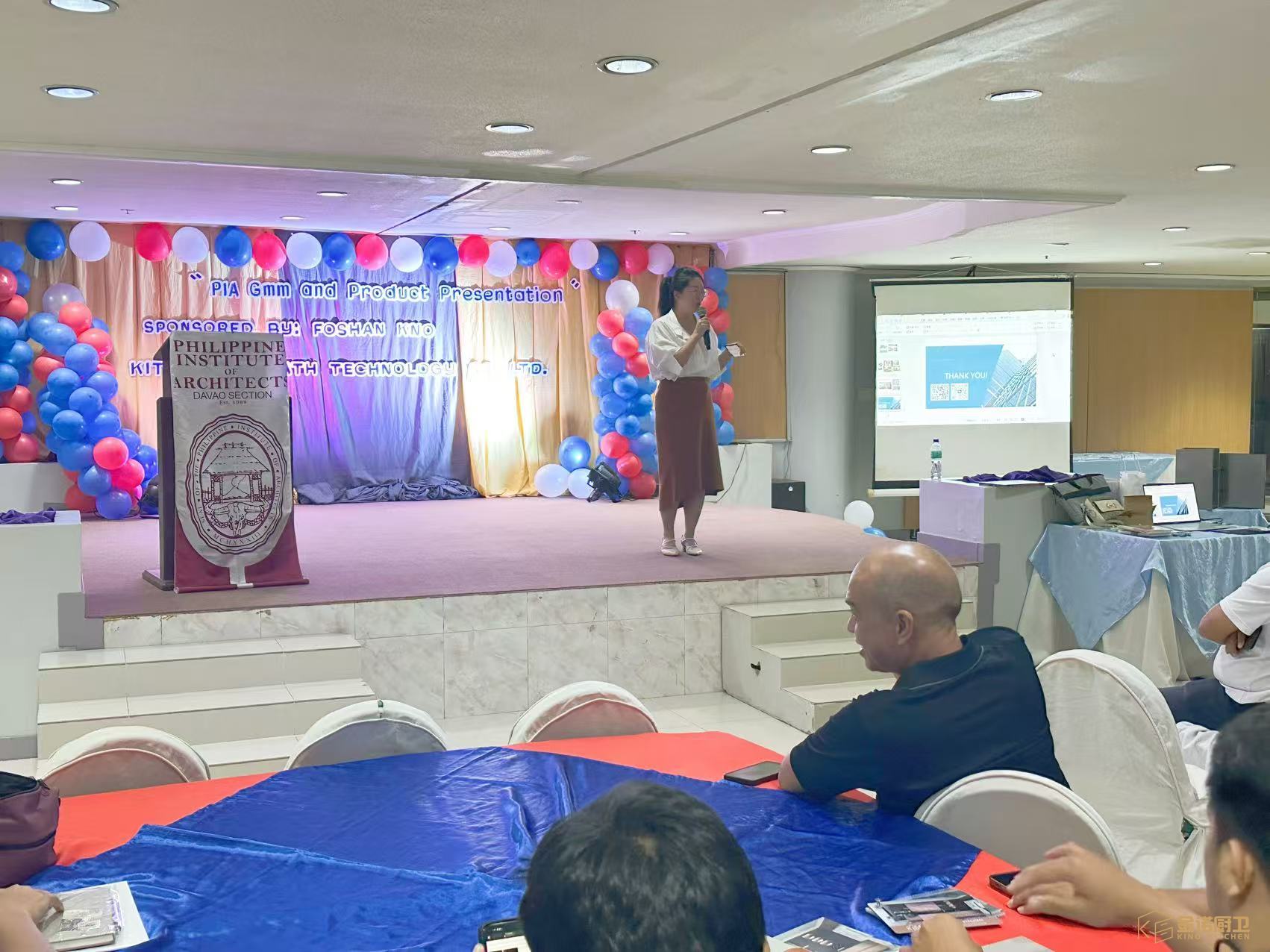
During the 2024 exchange, Kino participated in structured discussions and presentations with professional designers. The focus was not on sales, but on education and technical understanding.
Key topics discussed included
• Performance of stainless steel kitchens in high humidity regions
• Corrosion resistance and material grade selection
• Structural integrity compared to traditional wood based cabinets
• Hygiene standards and long term maintenance advantages
• Application cases in residential, resort, and commercial kitchens
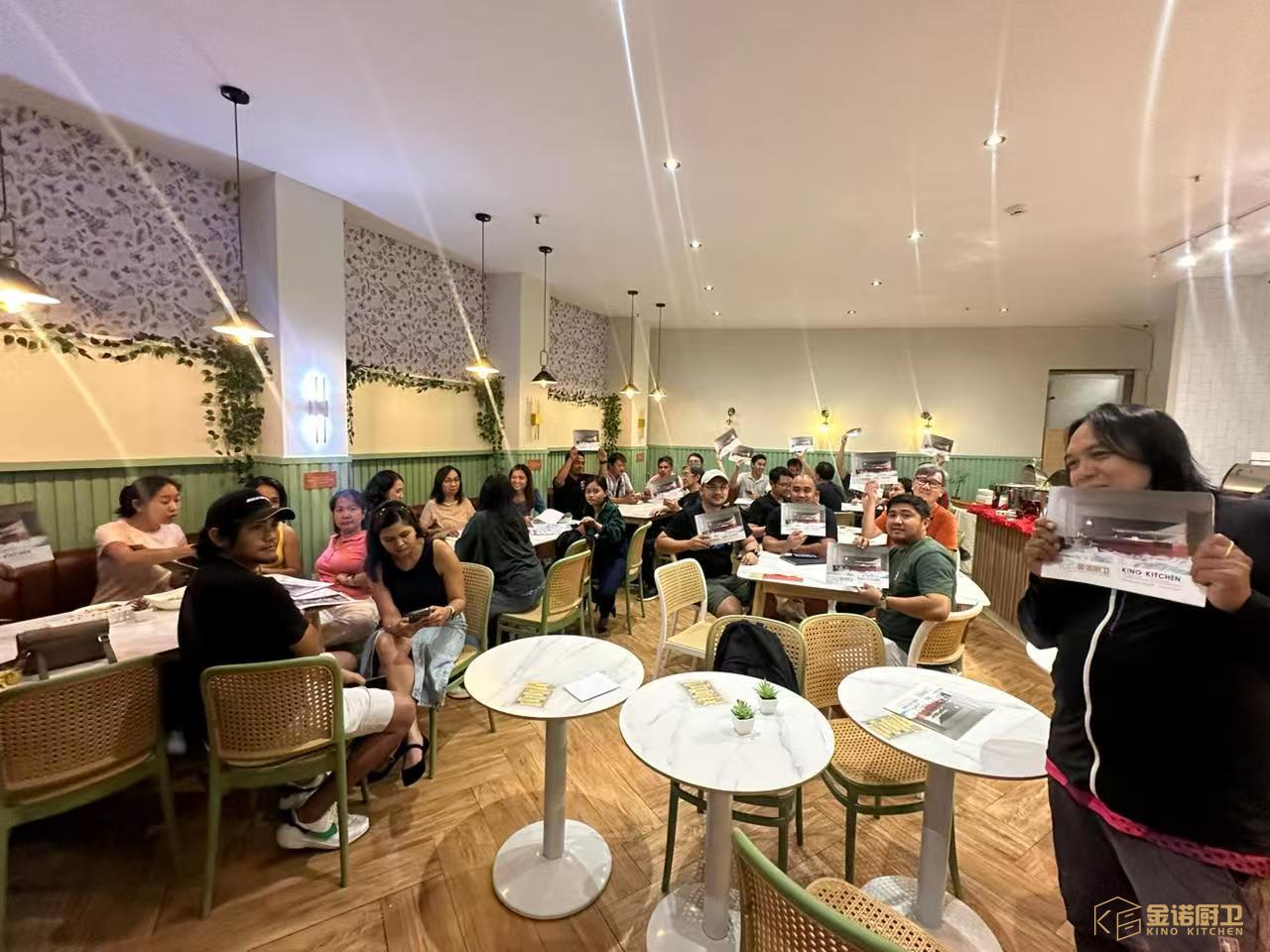
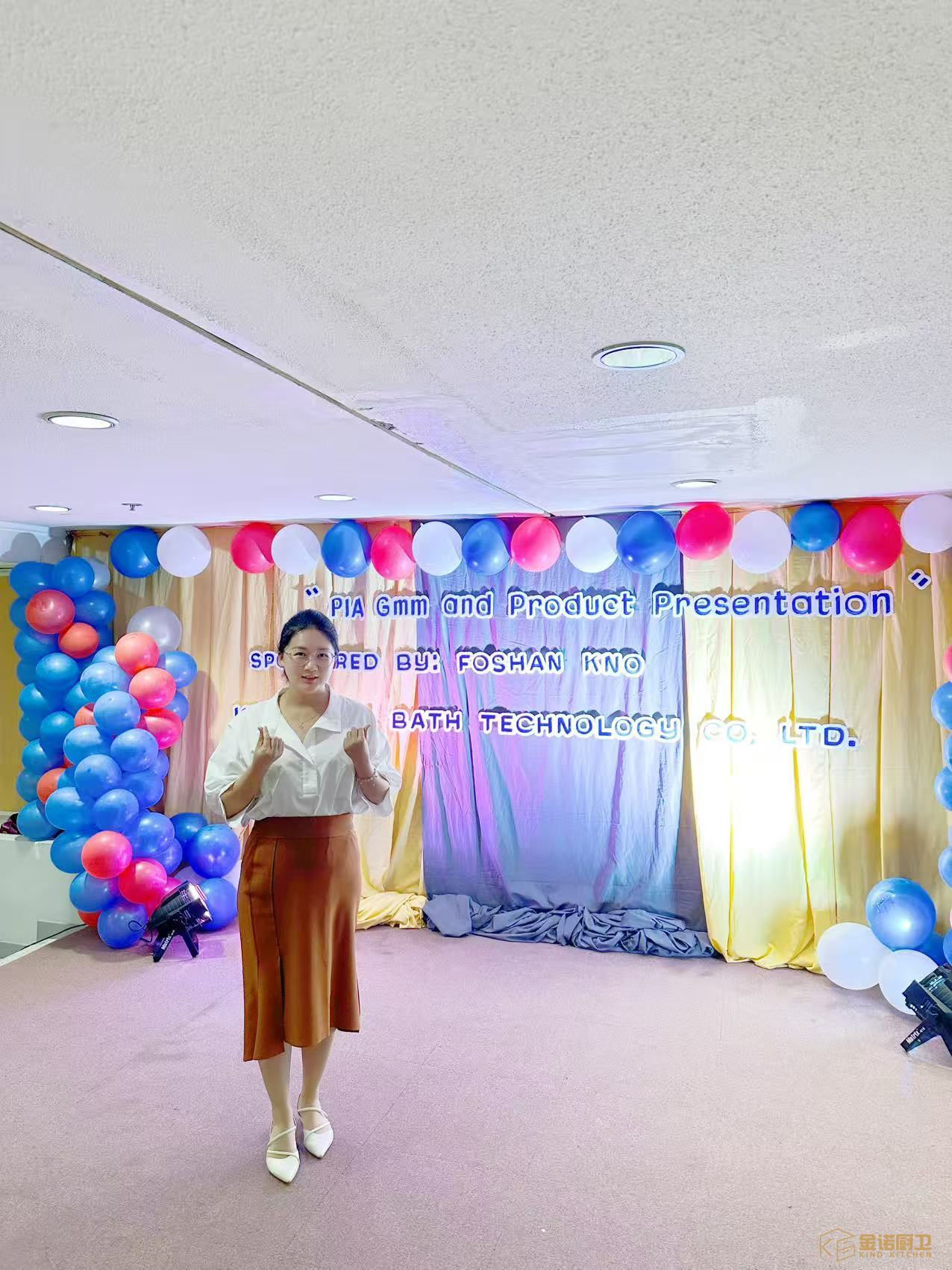
Images from this exchange show a formal professional setting, where designers actively reviewed materials, discussed details, and engaged in open technical dialogue. These interactions established Kino not as a supplier, but as a technical reference point for stainless steel kitchen solutions.
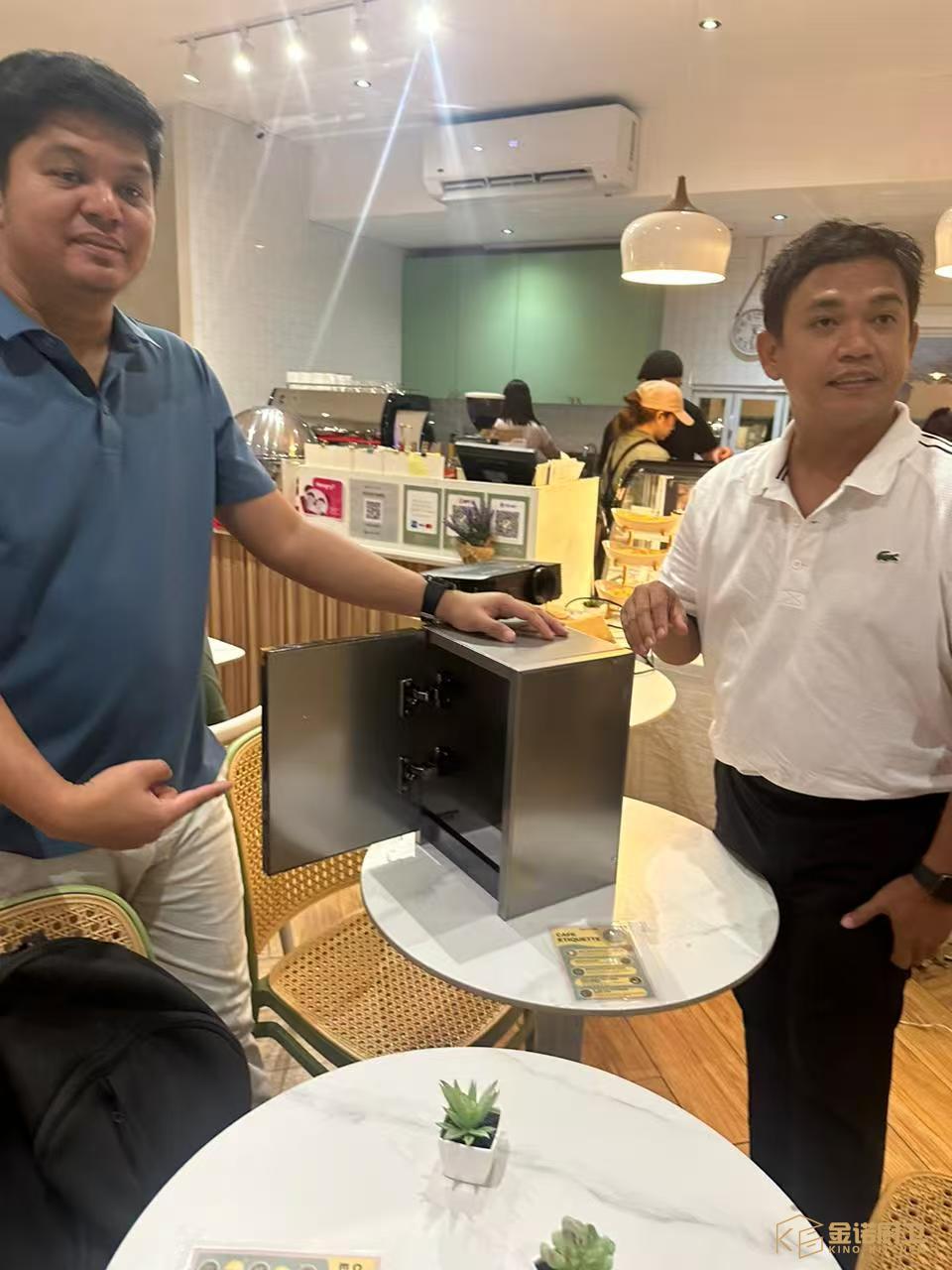
For Kino, this first engagement laid the foundation of trust. For PIA designers, it provided verified knowledge backed by real manufacturing experience.
Why Stainless Steel Kitchens Matter in the Philippine Market
Understanding why PIA showed strong interest in stainless steel kitchens requires looking at the local context.
The Philippines has a tropical maritime climate characterized by
• High humidity year round
• Frequent rainfall
• Coastal air exposure in many regions
• Termite prevalence
• Temperature fluctuations in enclosed spaces
Traditional wooden cabinets, even when treated, often face long term issues such as swelling, warping, mold growth, and pest damage. These issues increase maintenance costs and shorten kitchen lifespan.
Stainless steel kitchens, when engineered correctly, offer a fundamentally different performance profile.
Key advantages include
• Zero moisture absorption
• Resistance to termites and insects
• Stable structure under temperature changes
• High hygiene standards suitable for residential and commercial use
• Long service life with minimal maintenance
However, not all stainless steel kitchens are equal. Material grade, structural design, welding process, and surface treatment all determine whether a system performs as expected over time.
This is where Kino’s manufacturing expertise became central to the discussion with PIA.
From Presentation to Experience
The Evolution of Cooperation in 2025
After the successful 2024 exchange, PIA extended another invitation to Kino in 2025. This second collaboration marked a clear evolution in approach.
Rather than focusing solely on formal presentations, Kino and PIA jointly explored a more interactive and experience oriented format: afternoon tea style designer gatherings.
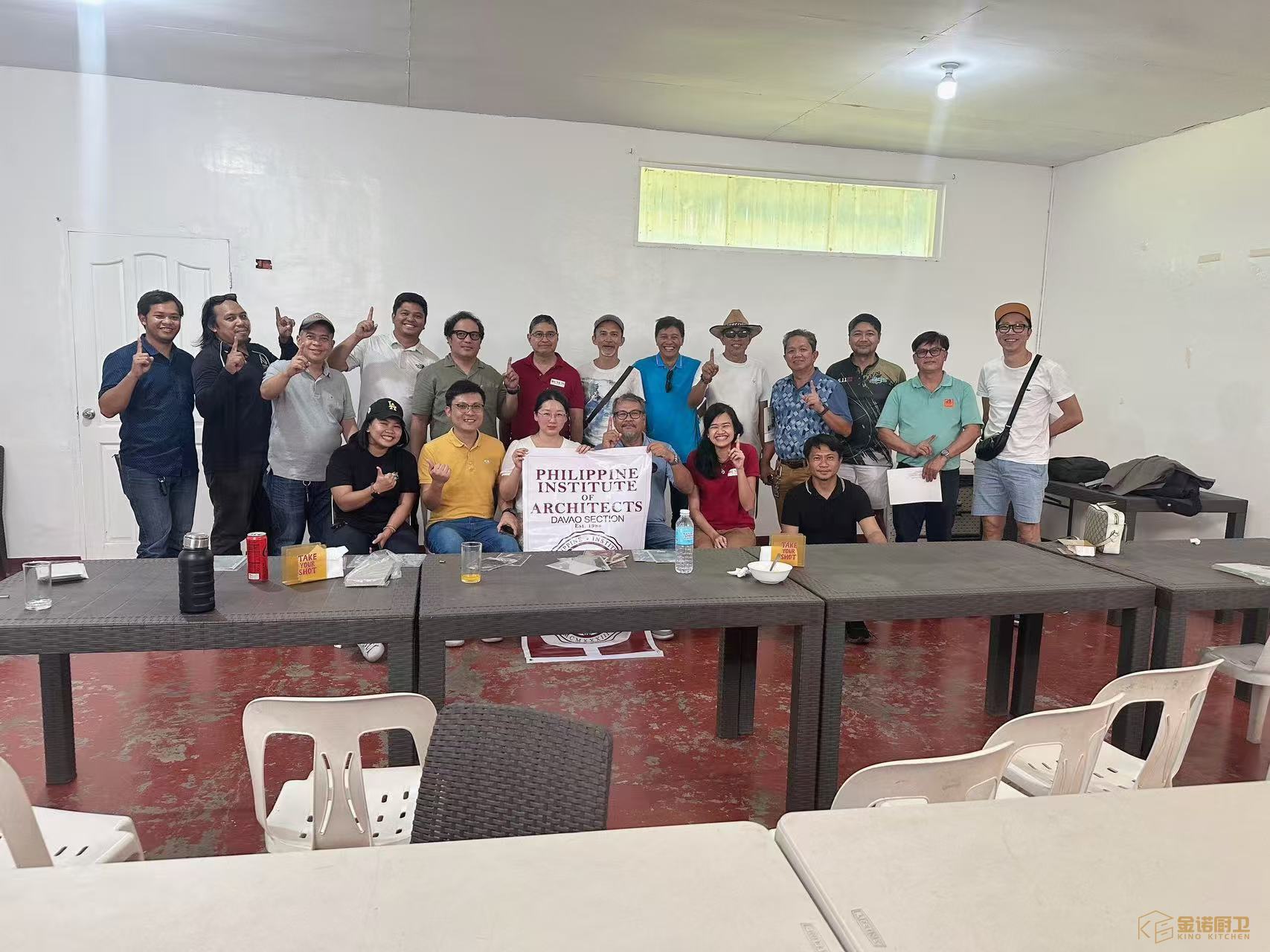
Images from 2025 show a relaxed yet professional environment. Designers gathered around small tables, reviewed physical cabinet samples, and discussed real project concerns while enjoying informal conversation. This setting encouraged deeper engagement and more practical questions.
In this format, Kino showcased stainless steel cabinets not as abstract systems, but as tangible solutions designers could touch, inspect, and understand.
Key discussion points included
• Internal structure of stainless steel cabinets
• Load bearing capacity and reinforcement logic
• Noise control and vibration reduction design
• Integration with modern appliances
• Aesthetic compatibility with contemporary interiors
By allowing designers to examine details up close, Kino demonstrated confidence in its engineering and transparency in its manufacturing standards.
This shift from lecture to interaction strengthened trust significantly.
Afternoon Tea as a Professional Communication Model
The choice of an afternoon tea format was intentional and strategic.
Designers often prefer environments where ideas can flow freely, without the pressure of formal presentations. In these gatherings, Kino engineers and representatives listened as much as they explained.
Designers shared
• Pain points from previous kitchen projects
• Client complaints related to humidity and durability
• Challenges with installation and after sales service
• Expectations for long term performance
Kino responded with technical explanations grounded in real manufacturing logic, not marketing language.
This two way exchange transformed Kino’s role from product provider to technical partner.
The result was not just interest, but endorsement.
Authority Is Built Through Repetition and Consistency
One invitation can spark curiosity. Repeated invitations signal authority.
Kino’s return to PIA in 2025 demonstrated consistency, reliability, and long term commitment to the market. It showed that Kino was not conducting a one time promotional visit, but investing in professional relationships.
For designers, this matters.
When specifying kitchen systems for projects, architects need partners who will still be present years later. They need manufacturers who understand regional conditions and stand behind their systems.
Kino’s continued cooperation with PIA sends a clear message
• Kino is trusted by professional institutions
• Kino invests in education, not just sales
• Kino understands tropical market demands
• Kino operates with long term vision
This is how authority is built in the industry.
Manufacturing Strength Behind the Message
All professional engagement must ultimately be supported by real manufacturing capability.
Kino’s stainless steel kitchens are produced in a dedicated factory environment with strict quality control standards. From raw material selection to final assembly, every step is designed to ensure structural stability, corrosion resistance, and consistent performance.
Key manufacturing strengths include
• High grade stainless steel material selection
• Precision cutting and welding processes
• Modular system engineering
• Strict inspection at every production stage
• Customization capability for different markets
These strengths allowed Kino to answer technical questions with confidence during PIA engagements.
Authority without substance cannot survive scrutiny. Kino’s manufacturing foundation ensures that professional recognition is earned, not claimed.
What This Means for Global Clients
For international clients visiting Kino’s independent website, this collaboration with PIA serves as more than a case study. It is a trust signal.
It shows that
• Kino is recognized by professional architectural institutions
• Kino’s products are evaluated by real designers
• Kino’s systems perform in challenging environments
• Kino maintains long term international partnerships
Whether you are a developer, distributor, architect, or homeowner, these factors reduce risk and increase confidence.
Choosing a kitchen system is not only about appearance. It is about durability, safety, and long term value. When a product is trusted by professionals in demanding markets, it speaks louder than any advertisement.
Looking Forward
A Long Term Vision for Professional Collaboration
Kino’s cooperation with PIA is not an endpoint. It represents an ongoing model for how Kino engages with global design communities.
By combining
• Technical expertise
• Open communication
• Respect for professional insight
• Commitment to education
Kino continues to strengthen its position as a global authority in stainless steel kitchen systems.
As markets evolve and design standards rise, Kino remains focused on one principle: earning trust through performance, transparency, and long term partnership.
That is the foundation of true industry authority.
If you want, I can also help you with
• SEO optimized version for Google
• Shorter homepage authority summary
• Captions mapped to each image for the article
• A more academic white paper version for architects

.png)
.png)
.png)


